

A Simple Paws IQ Guide to Keeping Your Dog Healthy at Home
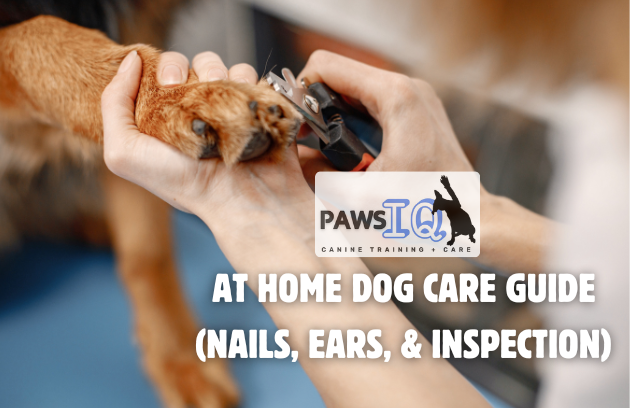
Caring for your dog doesn’t have to feel overwhelming. Many owners avoid nail trims or ear cleaning because they’re afraid of doing it wrong or stressing their dog out. The truth is: dogs don’t need perfection. They need your steady, calm presence.
At Paws IQ, we use calm confidence with everything we do. When your movements are slow and your energy is neutral, your dog naturally relaxes with you. This guide gives you simple steps to help your dog feel better physically and trust your handling more.
Want to take this with you? Download the full guide here!
1. TRIMMING YOUR DOG’S NAILS
If You’re Nervous, Start with This
Spend 30 seconds lightly touching your dog’s paws before trimming. No hype or baby talk — just calm, even energy. This is what sets the tone.
Tools You Need
Nail clippers or a nail grinder ( clippers-https://amzn.to/3MebrVH or grinder-https://amzn.to/3MEOLhi)
Non-slip towel or mat
Quick stop or corn starch (https://amzn.to/3KBHw9o)
Bonus : A few calm treats or a peanut butter distraction (no high excitement)
Step-by-Step Instructions
Pick up the paw gently, supporting it from underneath. Your confidence matters more than your technique. If you hesitate too much your dog will sense your uncertainty.
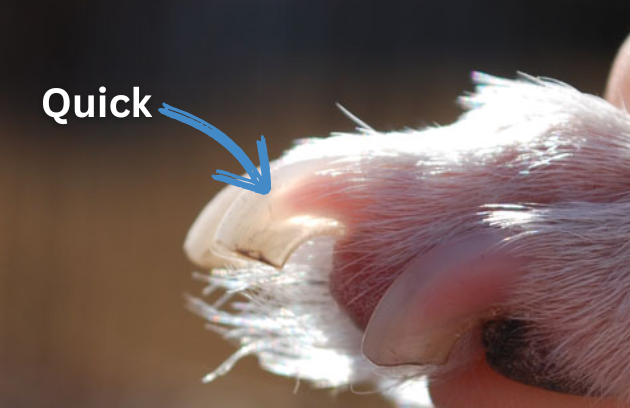
Find the quick (the pink line in clear nails). For black nails, trim very small amounts at a time and stop if you see a small lighter colored dot starting to form in the center of the nail.
Trim at the tip, about the width of a thin coin. Several tiny trims are safer than a big cut.
Stay relaxed if the dog pulls away. Pause, take a breath, and go right back to the paw neutrally, without emotion.
Try a grinder if clippers make you uncomfortable — the slow vibration feels less sudden to many dogs.
Finish the session calmly, with a light celebration for a job well done. Ending on your terms will build trust and routine.
🐾 Paws IQ Dog Psychology Tip- Dogs read hesitation as uncertainty and tend to mirror the tone. Smooth, steady handling tells them you’re the leader — and they don’t need to worry.
If You Accidentally Cut the Quick
This is the moment that scares most owners, but it doesn’t have to. Dogs don’t panic because of the sensation of pain; they’re reacting to your reaction. If you stay calm, they will stay calm.
What To Do
Stay neutral.
Don’t gasp, panic, or apologize. Your dog reads that as, “Something is wrong.”
Instead: use quiet hands, slow movements, and steady breathing.Apply direct pressure.
Use a clean cloth or paper towel and press gently on the nail for 10–20 seconds to slow bleeding and start the clotting process.Use Quick Stop or cornstarch.
Dip the nail directly into the powder, or press some onto the tip with your finger.
It will stop the bleeding quickly — it may sting for a moment, so you may notice your dog pull its paw away or whine. Stay neutral and they’ll calm down quickly.Hold the paw calmly for 15–30 seconds.
Your stable energy is the medicine here.Keep your dog still for a minute.
Moving too soon can start the bleeding up again, so maintain calm structure for a moment.Resume the session only if your dog is settled — and only if you feel calm.
Otherwise, end on a neutral note and try again later.
When to Call the Vet
Very rarely, if the bleeding won’t stop after 10 minutes, call your vet for more guidance.
2. CLEANING YOUR DOG’S EARS
Why It Matters
Clean ears prevent infections, odors, and discomfort — especially for dogs with floppy ears or active lifestyles.
Tools You Need:
Vet-approved ear cleaner (Such as TrizUltra or Vetericyn Ear Rinse) (https://amzn.to/4rCE52P)
Cotton pads
Towel for shaking
Neutral, patient energy
Step-by-Step Instructions
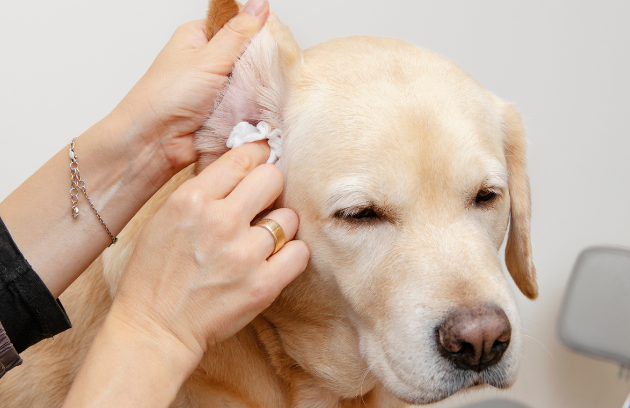
Lift the ear flap calmly and look inside for dirt, redness, or smell.
Apply a small amount of ear cleaner directly inside (or onto a cotton pad).
Massage the base of the ear with your fingertips for 10–15 seconds — you’ll hear a squishing sound.
Let your dog shake. This loosens debris naturally in the ear canals.
Wipe only what you can see. Never use deep cotton swabs.
Repeat on the other ear with the same calm approach.
🐾 Paws IQ Dog Psychology Tip- Ear cleaning can be a genuinely overstimulating process, since dogs rely so heavily on their ears and their nose. The smells and the sensations aren’t usually their favorite. These times are crucial for your leadership and calm noble energy.
3. GENERAL HEALTH INSPECTION
Why This Matters
A weekly once-over helps you catch problems early and teaches your dog to accept handling with relaxed confidence.
What You Need
Good lighting
Calm, steady hands
60–90 seconds
How to Do a Nose-to-Tail Check
Eyes
Clear, bright
Occasional morning discharge is normal
Constant discharge or redness is not
Mouth
Lift lips gently
Gums should be pink
Bad breath may signal dental issues
Skin & Coat
Run hands over the body
Check for bumps, flakes, or bald patches
Notice any unusual heat or tenderness
Paws & Pads
Spread each toe with your thumb
Look for redness, cracks, or debris stuck between pads
Body Condition
You should feel ribs with light pressure
Sudden weight gain or loss is worth noting
Movement
Watch them walk naturally
Look for limping, stiffness, or hesitation
Pay attention to how they get up from rest
🐾 Paws IQ Dog Psychology Tip- Dogs who regularly experience calm, predictable touch become more stable and confident in real-world situations like grooming or vet visits.
Takeaways
Healthy dogs aren’t created through complicated routines, but rather they’re shaped by consistency and by calm leadership. When you approach your dog’s care with steady hands and a level of understanding, your dog feels safe and supported.
Being able to do these things confidently for your dog is a key step to the relationship you’re building, and we’re so proud of you for it!
Alicen & Michael- Paws IQ